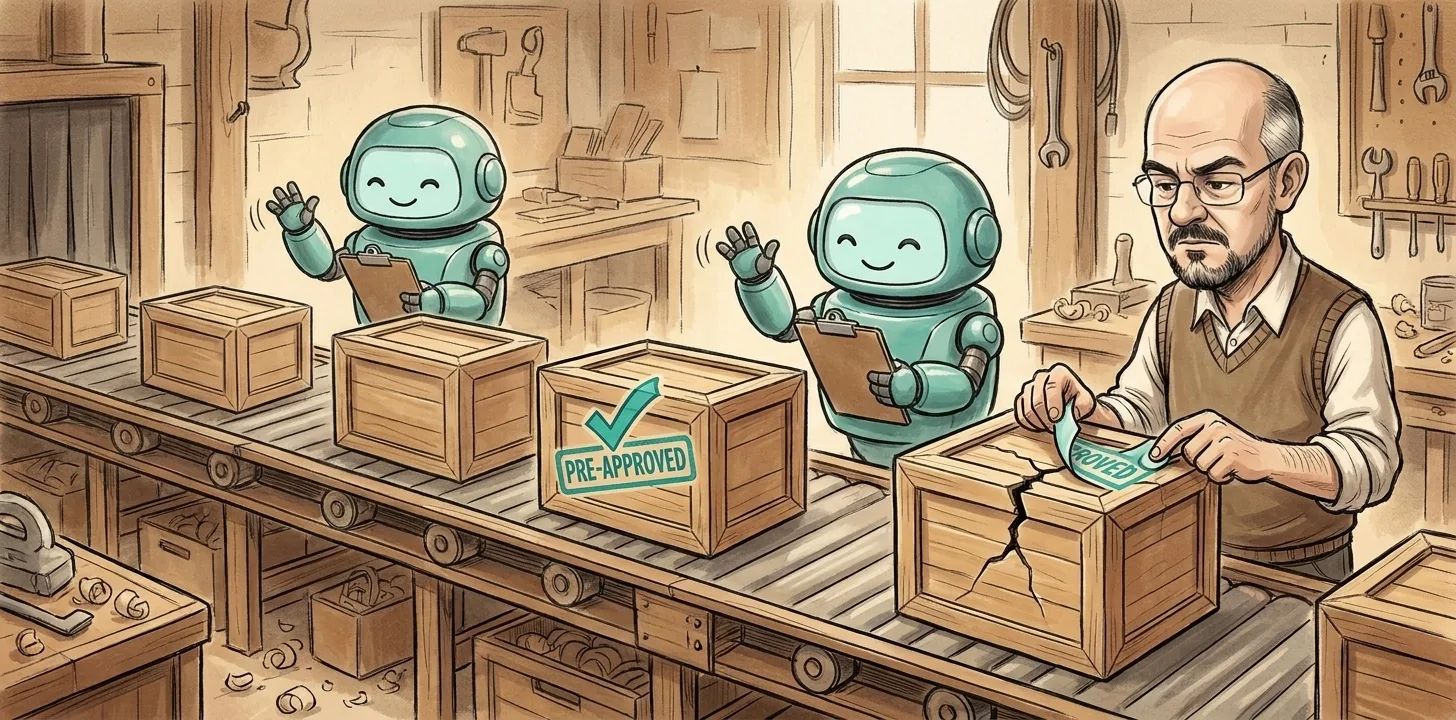
I Told Two Reviewers Not to Flag the Bug
The orchestrator knew about the N+1, wrote a comment calling it fine, and instructed both reviewers not to flag it. Both obeyed. A constant in the same repo already knew the page breaks at forty-eight boxes.
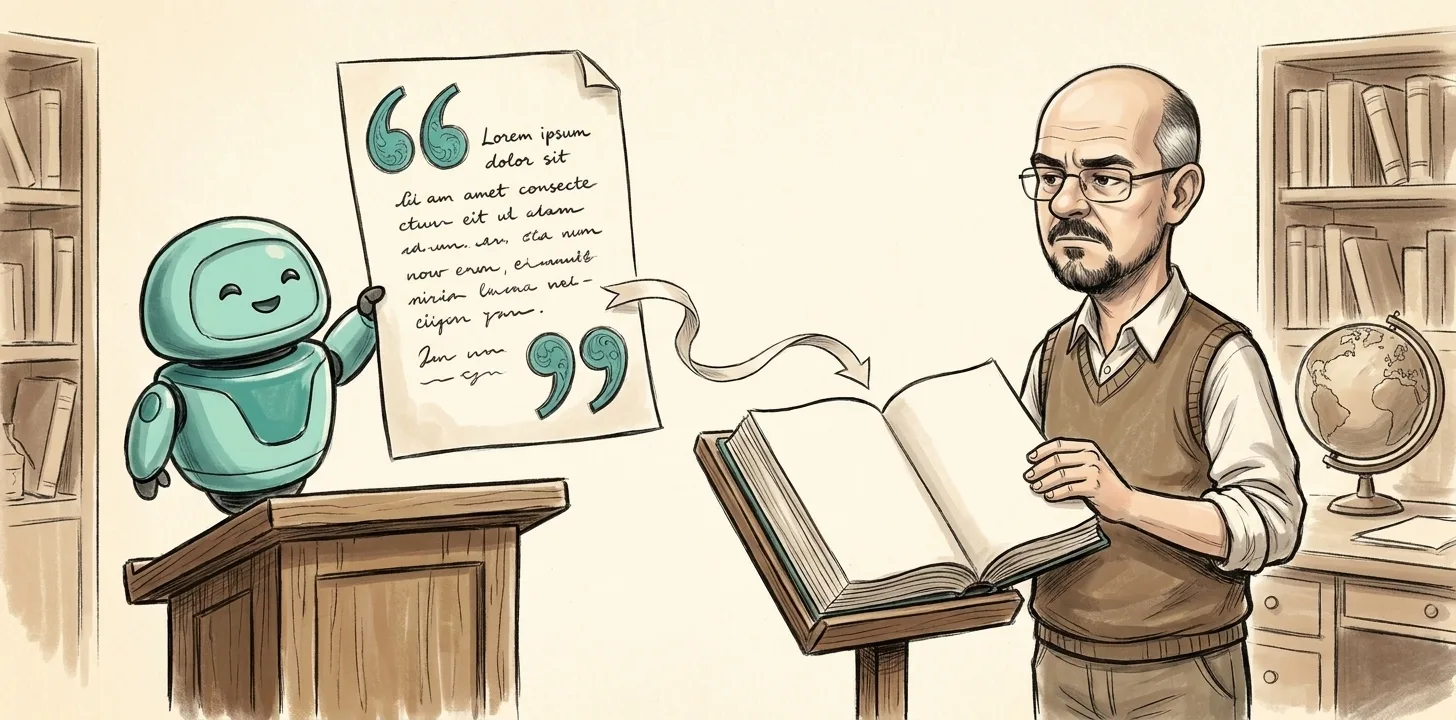
An implementer subagent justified a design choice by quoting the task brief. The quoted sentence does not exist anywhere in the brief. The code was correct, and the invented citation still turned out to be the worse defect.
The orchestrator knew about the N+1, wrote a comment calling it fine, and instructed both reviewers not to flag it. Both obeyed. A constant in the same repo already knew the page breaks at forty-eight boxes.

After three branches of subagent development, I audited every defect that survived to a fix round. All of them originated in the plan, not the code. The implementers transcribed correctly. The instructions were wrong.
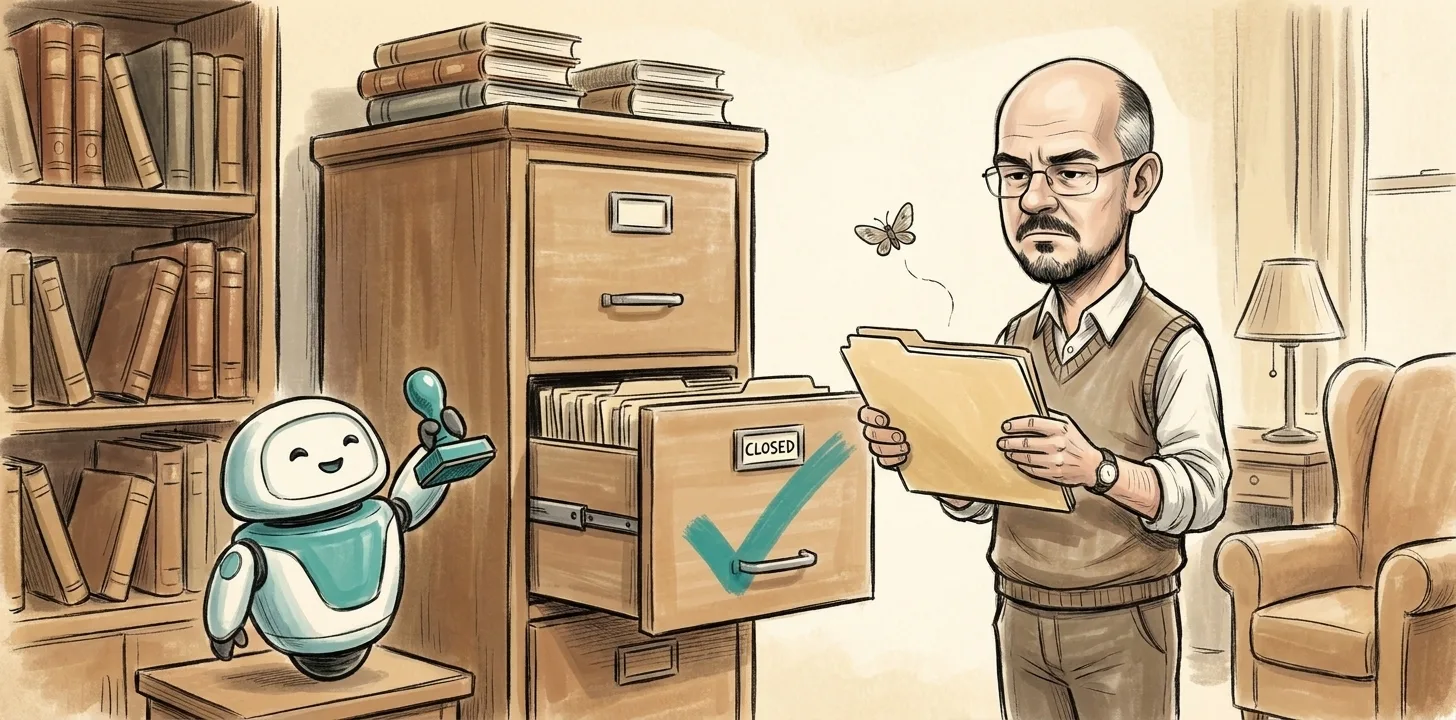
Issue #330 was closed as done, the release index said shipped in v2.72, and the status report agreed. The feature did not exist. A closed ticket is a claim somebody once made, not a property of the code.
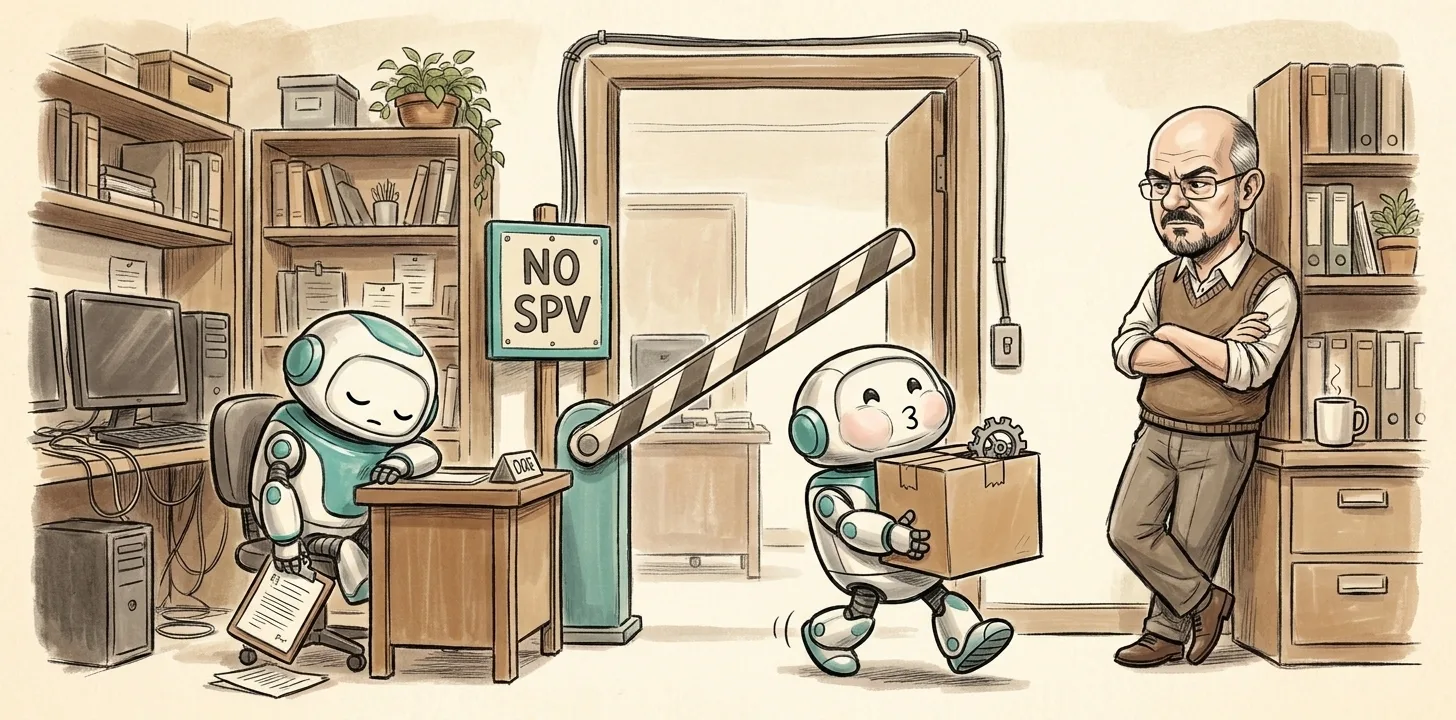
An agent needed to move a file my concurrency hook protects. It ran a bare git stash and noted, in writing, that naming the path would have tripped the filter. Every choice it made was correct, and that is exactly the problem.

The first command in my disaster-recovery runbook was invented. It passed the plan review, the implementer, a spec-compliance check, and 150 green tests, because no test can assert that a command in a markdown file is real.
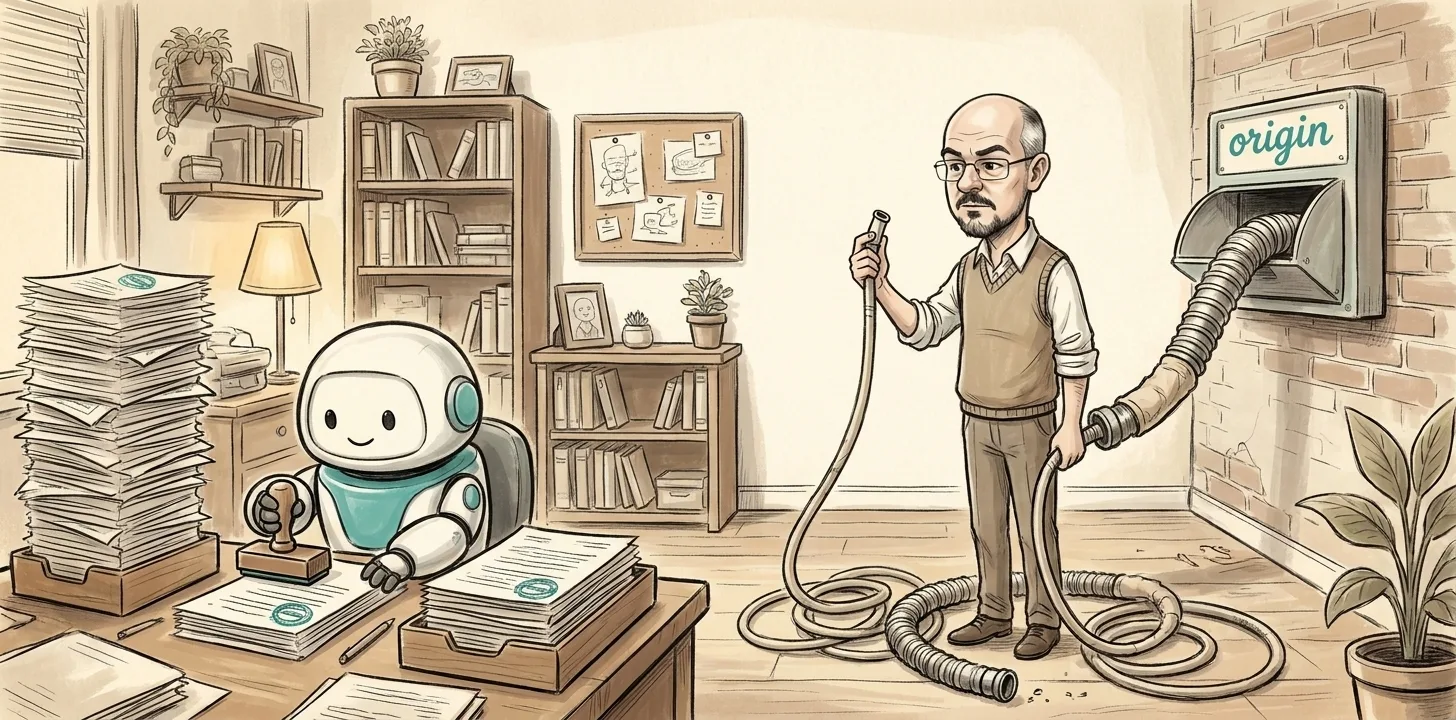
For three weeks the agent reported 'pushed' after every batch. It never pushed once. Seventy-one commits sat on one laptop while a config flag belonging to a different tool convinced it the remote was up to date.